If you've ever stood in front of a wall of coffee bags feeling overwhelmed, you're not alone. Roast level is one of the biggest predictors of how your coffee will taste — bigger, often, than the bean itself. Here's a simple guide to the three main roasts.
What roasting actually does
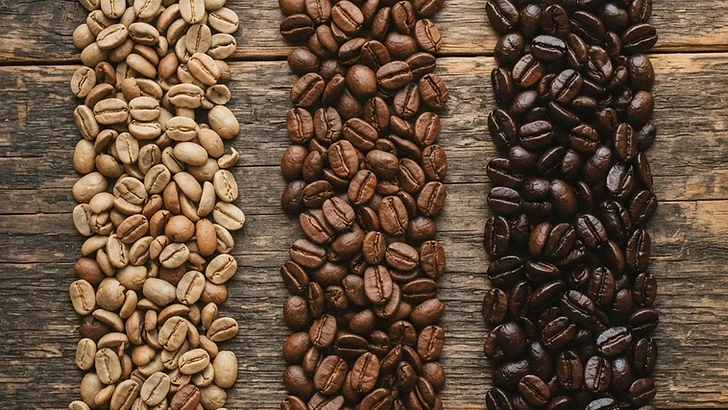
Green coffee beans have none of the aroma or flavor we associate with coffee. Roasting applies heat that triggers the Maillard reaction and caramelization, developing hundreds of flavor compounds. The longer and darker the roast, the more the bean's original character gives way to roast character.
Light roast: bright and fruity
Light roasts are stopped shortly after the "first crack," preserving the bean's origin flavors. Expect higher acidity, lighter body, and bright notes like citrus, berry, or florals. Light roasts are popular in specialty coffee because they let terroir shine — and despite the pale color, they contain slightly more caffeine than darker roasts.
Medium roast: the balanced middle
Medium roasts hit a sweet spot: enough roast to develop sweetness and body, but not so much that origin flavors disappear. You'll often taste chocolate, nuts, caramel, and balanced acidity. This is the most popular roast in America for a reason — it's approachable and versatile across brew methods.
Dark roast: bold and smoky
Dark roasts push well into the second crack, producing shiny, oily beans with a heavy body and low acidity. Flavors lean toward bittersweet chocolate, toasted nuts, smoke, and even char. Dark roasts are traditional for espresso and milk drinks, where their boldness cuts through milk — but they can also mask lower-quality beans.
How to choose
- Want to taste where the bean was grown? Go light.
- Want a balanced, everyday cup? Go medium.
- Want a bold, classic, milk-friendly cup? Go dark.
Key takeaways
- Roasting develops flavor; longer roasts trade origin character for roast character.
- Light = bright and fruity, medium = balanced and sweet, dark = bold and smoky.
- Light roasts actually have slightly more caffeine than dark roasts.
- Match the roast to the drink: light for pour-over, dark for milk-based espresso.
There's no "best" roast — only the one that fits your mood and your mug.