Debunking the Dark Roast Myth
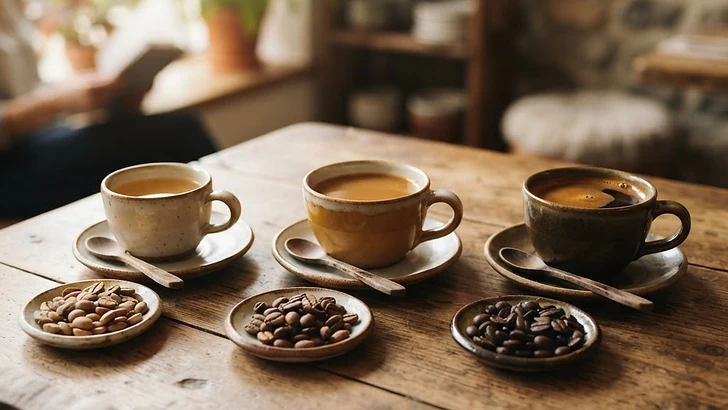
For decades, a common misconception has echoed through coffee shops and kitchens around the world: the idea that a dark, oily, intense-tasting coffee bean must contain more caffeine than its lighter, toastier counterpart. Many coffee drinkers gravitate toward dark roasts specifically because they believe it provides a stronger 'kick' to start the day. However, in the world of specialty coffee, the truth is actually quite the opposite. To understand how caffeine survives the roasting process, we have to look at the chemistry of the bean.
The Chemistry of Caffeine Stability
Caffeine is an incredibly stable molecule. Unlike the volatile aromatic compounds that give coffee its flowery, fruity, or nutty notes, caffeine does not simply evaporate or 'burn off' during the roasting process. It remains largely intact even as beans reach the high temperatures required for a dark French roast.
Volume vs. Mass: The Crucial Distinction
The confusion often stems from how we measure coffee. If you measure your coffee by volume—say, a scoop—darker roast beans are significantly less dense than light roast beans. Because dark roasts have been roasted for longer, they lose more water weight and expand in size.
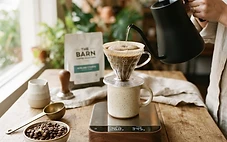
If you use a scoop to measure out your coffee, you are fitting fewer total beans into that scoop when using a dark roast than you would with a light roast. Therefore, in terms of volume, a scoop of light roast actually contains more coffee mass, and consequently, slightly more caffeine. If you were to measure by weight (using a digital scale), the difference becomes negligible, as you would be adding more individual dark roast beans to compensate for their lack of density.
How Roasting Transforms the Bean
During the roasting process, heat is applied to green coffee beans, triggering a series of chemical reactions, most notably the Maillard reaction and caramelization.
- Light Roasts: These beans reach an internal temperature of about 385°F to 405°F. They retain more of the bean's original 'terroir'—the characteristics imparted by the soil, altitude, and climate. Because they haven't been roasted as long, the beans are denser and maintain more of their original mass.
- Dark Roasts: These beans often reach temperatures of 440°F or higher. The structure of the bean becomes porous and brittle, and the surface becomes coated in oils. While the beans 'puff up' and get larger, they lose mass through water evaporation.
Since the caffeine molecules remain stable while the bean loses water and organic matter, a dark roast bean is technically more concentrated with caffeine by weight—but because of the volume loss, the effect is almost always balanced out.
Selecting Your Roast for Flavor, Not Just Energy
If the caffeine content is largely consistent across roast levels when measured by weight, how should you choose your coffee? The answer lies in flavor preference.
The Light Roast Experience
If you enjoy acidity, complex fruit notes, and tea-like clarity, light roasts are your best option. They highlight the work of the farmer and the specific processing method used at the origin. They are excellent for pour-over methods where you can taste the nuance of the bean.
The Dark Roast Experience
Dark roasts offer the familiar, comforting profile of chocolate, caramel, and smoke. These flavors come from the breakdown of sugars and the carbonization of the bean's fibers. Dark roasts are often preferred for espresso-based drinks like lattes or cappuccinos because the intense flavor profile can cut through the sweetness of milk.
Key takeaways
- Caffeine is highly heat-stable and does not significantly burn off during standard roasting.
- Measured by weight, there is virtually no difference in caffeine content between light and dark roasts.
- If you measure by volume (scoops), light roasts contain more caffeine because the beans are denser.
- Dark roasts appear 'stronger' because of their bold, bitter flavor profile, but this is a sensory experience, not a chemical one.
- Choose your roast level based on your taste preferences rather than a perceived boost in energy.
Conclusion
Next time you are at the cafe, don't feel obligated to order the darkest roast on the shelf just because you need an extra push in the morning. Whether you prefer the bright, vibrant acidity of a light-roasted Ethiopian Yirgacheffe or the deep, chocolaty embrace of a dark-roasted Sumatra, you are receiving roughly the same amount of caffeine per gram of coffee. Focus on the flavor profile that makes your morning ritual truly enjoyable, and rest easy knowing that science supports your favorite cup.