Culture· 5 min read
The Third Wave: How Coffee Became a Craft
Coffee has gone from a fuel to a craft. Here's the story of the third wave — the movement that turned coffee into an artisan obsession.
House Blend Cafe· 2026-08-15
Coffee has gone from a fuel to a craft. Here's the story of the third wave — the movement that turned coffee into an artisan obsession.
We're a seasonal shop, open Saturdays only.
You'll find us at the counter on Saturdays, from just after Labor Day through the Saturday before Christmas, 10 AM to 2 PM. The rest of the year we're closed. Order ahead and we'll have it waiting, or see hours and location.
If you've ever sipped a single-origin pour-over and noticed tasting notes like "stone fruit and jasmine," you've tasted the influence of the third wave. Coffee hasn't always been treated this carefully — it took a cultural shift to get here.
Coffee culture is often described in three "waves":
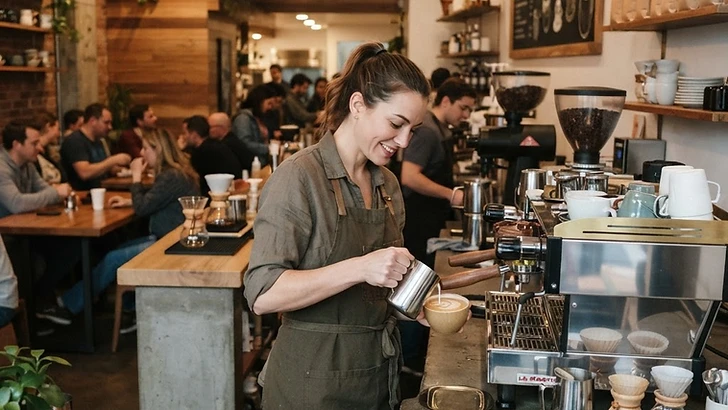
Third wave coffee treats the bean as the star. Roasters buy single-origin lots, often directly from farmers, and roast light to highlight terroir. Baristas weigh doses, time shots, and talk about flavor the way sommeliers talk about wine. Transparency, sustainability, and fair farmer relationships are part of the ethos, not just marketing.
The third wave raised the bar for everyone. Even mainstream cafes now offer single-origin options, fresher beans, and better milk technique. It also connected drinkers to the people and places behind their cup — reminding us that coffee is an agricultural product, not just a brown powder.
Some say we're entering a fourth wave defined by science, data, and precision — espresso machines with pressure profiling, refractometers measuring extraction, and a deeper focus on sustainability.
However you take your coffee, you're drinking the result of this evolution — a craft that keeps getting more thoughtful.