The Hidden Variable in Every Shot
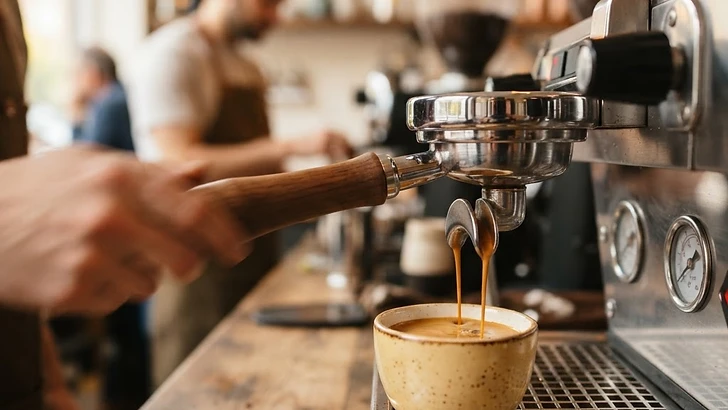
For many, espresso is a binary experience: you grind, you tamp, you pull, and you drink. While the grind size and dose are often discussed, one of the most transformative variables in modern coffee is pressure profiling. Traditionally, espresso machines were designed to hit a static nine bars of pressure from the moment the pump engaged until the shot ended. However, the specialty coffee movement has ushered in an era where manipulating that pressure over time can drastically improve the clarity and sweetness of your favorite beans.
Understanding Espresso Pressure
Pressure is the mechanical force that pushes hot water through a tightly packed puck of ground coffee. At its core, the resistance provided by the coffee grounds creates the back-pressure needed for emulsification—the process that gives espresso its characteristic syrupy body and crema.
The Standard Nine-Bar Rule
Historically, the nine-bar standard became the gold mine for espresso. It was found to be the 'sweet spot' for balancing the speed of extraction with the intensity of flavor. By maintaining a constant pressure, baristas could reliably repeat the same shot profile day after day.
Why Change the Pressure?
While nine bars is standard, it is not always optimal. High pressure can sometimes force water through channels too quickly or, conversely, create over-extraction in the center of the puck. By using a machine with variable pressure capabilities, a barista can 'pre-infuse' the coffee at a lower pressure, allowing the grounds to swell evenly before ramping up to full pressure. This technique minimizes channeling and ensures that the water interacts with the coffee particles more uniformly.
The Anatomy of a Profile
Pressure profiling is essentially choreographing the brewing process. A typical profile might look like this:
- Pre-infusion: Starting at 2-3 bars for 5-10 seconds. This wets the puck gently without inducing high-velocity flow.
- Ramp-up: Gradually increasing to 9 bars to extract the core compounds like oils and sugars.
- Tail-off: Dropping the pressure to 6 or 7 bars toward the end of the shot to prevent the extraction of bitter, astringent tannins from the spent grounds.
Benefits for Light and Dark Roasts
Different roasts respond differently to pressure. Light roasts, which are often denser and harder to extract, benefit from longer pre-infusion and potentially higher pressure spikes. Dark roasts, being more porous and brittle, can become over-extracted and ash-like if subjected to high pressure throughout the entire process. Reducing pressure during the later stages of a dark roast pull can preserve sweetness and body without introducing unwanted bitterness.
Modern Hardware for the Home Barista
In the past, pressure profiling was restricted to commercial machines costing thousands of dollars. Today, manual lever machines like the Flair or the manual-pressure capabilities of newer E61 group-head machines allow home enthusiasts to experiment with their own profiles. Even entry-level machines with flow control kits are democratizing this science.
Key Takeaways
- Pressure matters: Static nine-bar pressure is a great baseline, but not the absolute limit for flavor development.
- Pre-infusion is vital: Gently wetting the puck at low pressure reduces channeling and increases extraction uniformity.
- Adapt to the roast: Light roasts often handle higher pressure better, while dark roasts can benefit from a tapering-off of pressure toward the end of the shot.
- Tools are accessible: You don't need a commercial machine; manual levers and flow control kits allow for meaningful experimentation at home.
Conclusion
Mastering pressure profiling is like moving from a simple point-and-shoot camera to a professional DSLR. It requires more attention to detail, but the results—a more nuanced, balanced, and vibrant cup of coffee—are undeniably worth the effort. Start by experimenting with your pre-infusion timing; you will be surprised at how much it changes the sweetness of your daily espresso.