The Hidden Life of a Coffee Bean
Many of us treat coffee beans as inert pantry staples, but in reality, they are living, breathing organic products. Once roasted, coffee beans begin an inevitable process of degradation. From the moment they leave the roaster's cooling tray, they start reacting with their environment. If you have ever opened a bag of high-end single-origin coffee only to find it tasting flat or papery within a week, you have likely fallen victim to improper storage. To maintain the intricate flavor notes that roasters work so hard to develop, you need to understand the four primary enemies of coffee freshness: Oxygen, Moisture, Light, and Heat.
The Four Enemies of Freshness
1. The Oxidation Process
Oxygen is the primary culprit behind stale coffee. When coffee beans are exposed to air, the delicate oils and volatile aromatic compounds on the surface of the bean begin to oxidize. This chemical reaction breaks down the complex acids and sugars that give coffee its character, replacing them with dull, rancid flavors. This is why buying whole-bean coffee and grinding only what you need immediately before brewing is the single most effective way to slow this process down.
2. Moisture and Humidity
Coffee beans are highly porous. They act like little sponges, soaking up the ambient humidity of your kitchen. High moisture levels can prematurely trigger the degradation of the bean's structure, causing it to lose its crisp acidity and potentially leading to mold if the storage environment is consistently damp. Keep your coffee in a dry, low-humidity environment to ensure those beans stay in peak condition.
3. Light Exposure
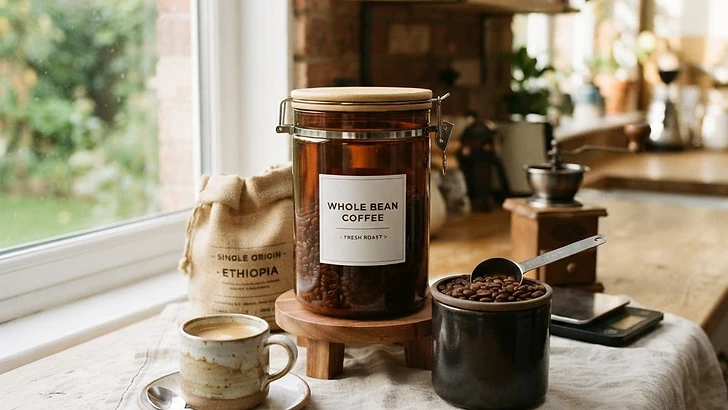
Direct sunlight provides UV radiation, which can accelerate the breakdown of chemical bonds within the coffee bean. Clear jars may look aesthetic on a kitchen counter, but they are essentially greenhouses that invite flavor degradation. Always prioritize opaque, light-blocking storage containers to keep your beans shielded from photo-oxidation.
4. Heat Fluctuations
Heat increases the rate of chemical reactions. Storing your coffee near a stove, oven, or even a sunny window will cause the beans to 'gas out' faster and lose their aromatic intensity. A stable, cool room temperature is ideal for long-term storage.
The Great Debate: Should You Freeze Coffee?
There is a long-standing debate in the specialty coffee world regarding the freezer. The short answer is yes, you can freeze coffee, but only if done correctly. If you plan to use a bag of coffee within two weeks, keep it at room temperature. If you have purchased a large quantity or want to preserve a rare bean for a special occasion, the freezer is an excellent tool. The key is preventing freezer burn and moisture condensation. Vacuum-seal your coffee in small, airtight portions. When you are ready to use the beans, take them out of the freezer and let them reach room temperature in the sealed bag before opening it. This prevents condensation from forming on the cold beans, which would immediately ruin the quality.
Choosing the Right Storage Container
Not all containers are created equal. Avoid glass unless it is kept inside a dark cupboard. The ideal storage vessel is an airtight container made of stainless steel or high-quality BPA-free ceramic. Some containers even feature one-way valves that allow excess carbon dioxide (which coffee naturally emits after roasting) to escape while preventing oxygen from entering. These are excellent for the first two weeks after a roast date. Regardless of the container, ensure the seal is tight enough to prevent airflow.
Key Takeaways
- Buy whole-bean coffee and grind immediately before brewing to minimize oxidation surface area.
- Store beans in an opaque, airtight container to protect them from light and air.
- Keep coffee away from heat sources like ovens, microwaves, and direct sunlight.
- Only freeze coffee if you intend to store it for more than three weeks, and always use vacuum-sealed, portion-sized bags.
- Always let frozen coffee come to room temperature before opening the bag to prevent moisture accumulation.
Conclusion
Preserving the quality of your coffee is a simple yet high-impact practice. By treating your beans as the perishable food product they are, you ensure that every cup you brew at House Blend Cafe or at home lives up to the potential of its origin. Remember, fresh beans are the foundation of great coffee—don't let poor storage habits compromise your morning ritual.