Science· 3 min read
The Science of Coffee Solubility: Why Extraction Matters
Ever wonder why your coffee tastes bitter or sour? Discover how the science of solubility dictates your morning brew's flavor and balance.
House Blend Cafe· 2026-09-16
Ever wonder why your coffee tastes bitter or sour? Discover how the science of solubility dictates your morning brew's flavor and balance.
We're a seasonal shop, open Saturdays only.
You'll find us at the counter on Saturdays, from just after Labor Day through the Saturday before Christmas, 10 AM to 2 PM. The rest of the year we're closed. Order ahead and we'll have it waiting, or see hours and location.
When we talk about brewing the perfect cup of coffee, we often focus on grind size, water temperature, or the origin of the beans. While these are critical variables, they are all working toward one scientific goal: solubility. Understanding how coffee dissolves in water is the secret weapon of professional baristas, and it is the key to unlocking the true potential of your daily roast. In this guide, we dive deep into the chemical mechanics that transform ground beans into a complex, delicious liquid.
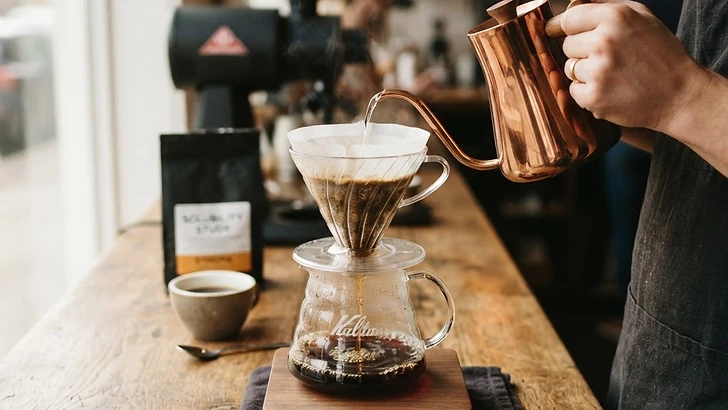
At its core, brewing is an extraction process. When hot water hits coffee grounds, it acts as a solvent, pulling various chemical compounds out of the cellular structure of the bean. These compounds—including acids, sugars, caffeine, and plant fibers—dissolve at different rates based on their molecular structure.
Solubility refers to the ability of these coffee solids to dissolve in water. Ideally, you want to extract about 18% to 22% of the coffee bean's mass. If you extract too little, your coffee will be dominated by acidic, sour notes. If you extract too much, you pull out the heavy, unpleasant bitter compounds that hide the coffee's sweetness.
Not all flavors are created equal, and they certainly don't dissolve at the same time. The extraction process typically follows a predictable sequence:
These are the most soluble compounds in coffee. They are the first to hit the water, providing the bright, citrusy, or floral notes you find in high-quality light roasts. If you stop the extraction too early, you end up with an under-extracted cup that tastes thin and sharply sour.
Next, the water breaks down the complex carbohydrates and Maillard reaction products. This is the 'sweet spot' of brewing, where the body develops and the coffee feels syrupy and balanced. This stage requires sufficient contact time and temperature.
Finally, the water begins to extract the less soluble compounds, such as tannins and heavy plant cellulose. While some bitterness provides necessary structure, over-extracting these compounds results in a dry, astringent cup that leaves an unpleasant coating on your tongue.
To master solubility, you must control the environment in which the extraction happens. Here are the three primary levers you can pull:
Dialing in your brew is all about finding the point where the acids, sugars, and bitter compounds harmonize. If your coffee tastes consistently sour, increase your extraction by grinding finer or increasing water temperature. If it tastes dry and bitter, pull back by grinding slightly coarser or lowering the brew temperature.
By viewing your morning ritual through the lens of chemistry, you shift from simply following a recipe to truly understanding how to manipulate flavor. The next time you brew, pay attention to the progression of aromas and the final balance of the cup. With a little practice, you will be able to harness the science of solubility to pull the best possible flavors from every bag of beans you buy.