Science· 3 min read
The Science of Coffee Fermentation: How It Transforms Flavor
Discover how the mysterious process of coffee fermentation turns raw cherries into complex beans, shaping every note in your morning cup.
House Blend Cafe· 2026-09-01
Discover how the mysterious process of coffee fermentation turns raw cherries into complex beans, shaping every note in your morning cup.
We're a seasonal shop, open Saturdays only.
You'll find us at the counter on Saturdays, from just after Labor Day through the Saturday before Christmas, 10 AM to 2 PM. The rest of the year we're closed. Order ahead and we'll have it waiting, or see hours and location.
When we talk about coffee, we often focus on the roast, the grind, or the brewing method. However, the most profound changes in flavor profile occur long before the beans reach our cafe. The secret lies in coffee fermentation, a biological process that transforms raw coffee cherries into the aromatic beans we grind every morning. By controlling the microbial activity during processing, producers can coax out complex notes of stone fruit, bright acidity, or deep, syrupy sweetness.
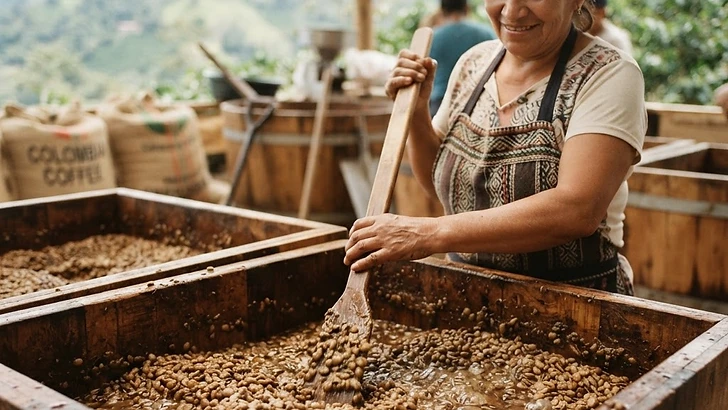
Coffee fermentation is essentially a controlled decay process. After coffee cherries are harvested, they must be stripped of their skin and mucilage—a sticky, sugar-rich layer surrounding the seed. When producers allow these beans to sit in water or open air, naturally occurring yeasts and bacteria begin to consume the sugars in the mucilage.
This isn't just about cleaning the bean; it is about chemical transformation. As microorganisms break down these sugars, they release acids and volatile organic compounds. These compounds penetrate the parchment of the bean, effectively 'marinating' it in flavor precursors that eventually reveal themselves during the roasting process.
Depending on how much fruit remains on the bean during this stage, the fermentation experience varies significantly:
In the washed method, the fruit is pulped immediately, leaving only a thin layer of mucilage. Fermentation occurs in a water tank, resulting in a cleaner cup that emphasizes the bean's intrinsic characteristics and acidity.
The entire cherry is dried in the sun. Because the bean stays in contact with the fruit for days, the fermentation is much longer and more intense. This produces heavy-bodied, fruit-forward coffees with distinct winey or berry notes.
Falling between the two, honey-processed coffee involves removing the skin but leaving the mucilage intact as it dries. This creates a sweet, balanced profile that highlights the sugars inherent in the coffee fruit.
In recent years, specialty coffee producers have begun experimenting with anaerobic (oxygen-free) fermentation. By placing cherries inside sealed, airtight tanks, producers can strictly control the environment. With no oxygen present, different types of bacteria take over, often resulting in incredibly unique flavors like cinnamon, tropical fruit, or even floral aromatics that would be impossible to achieve through traditional methods. This 'carbonic maceration' is changing the landscape of high-end, competitive coffee.
As a consumer, understanding fermentation helps you decode the tasting notes on a bag of coffee. If you enjoy bright, citrusy cups, you might lean toward washed coffees with shorter, controlled fermentation. If you crave bold, punchy, and exotic profiles, look for natural or experimental anaerobic-processed lots.
Coffee fermentation is a beautiful intersection of agriculture and chemistry. It is the silent work done at the farm level that gives your cup its soul. Next time you brew a particularly vibrant or complex cup of coffee, take a moment to consider the fermentation process that helped create that flavor profile. By appreciating the science behind the bean, you can better understand why your favorite cafe's roast tastes exactly the way it does.